The Office as a Place of Learning
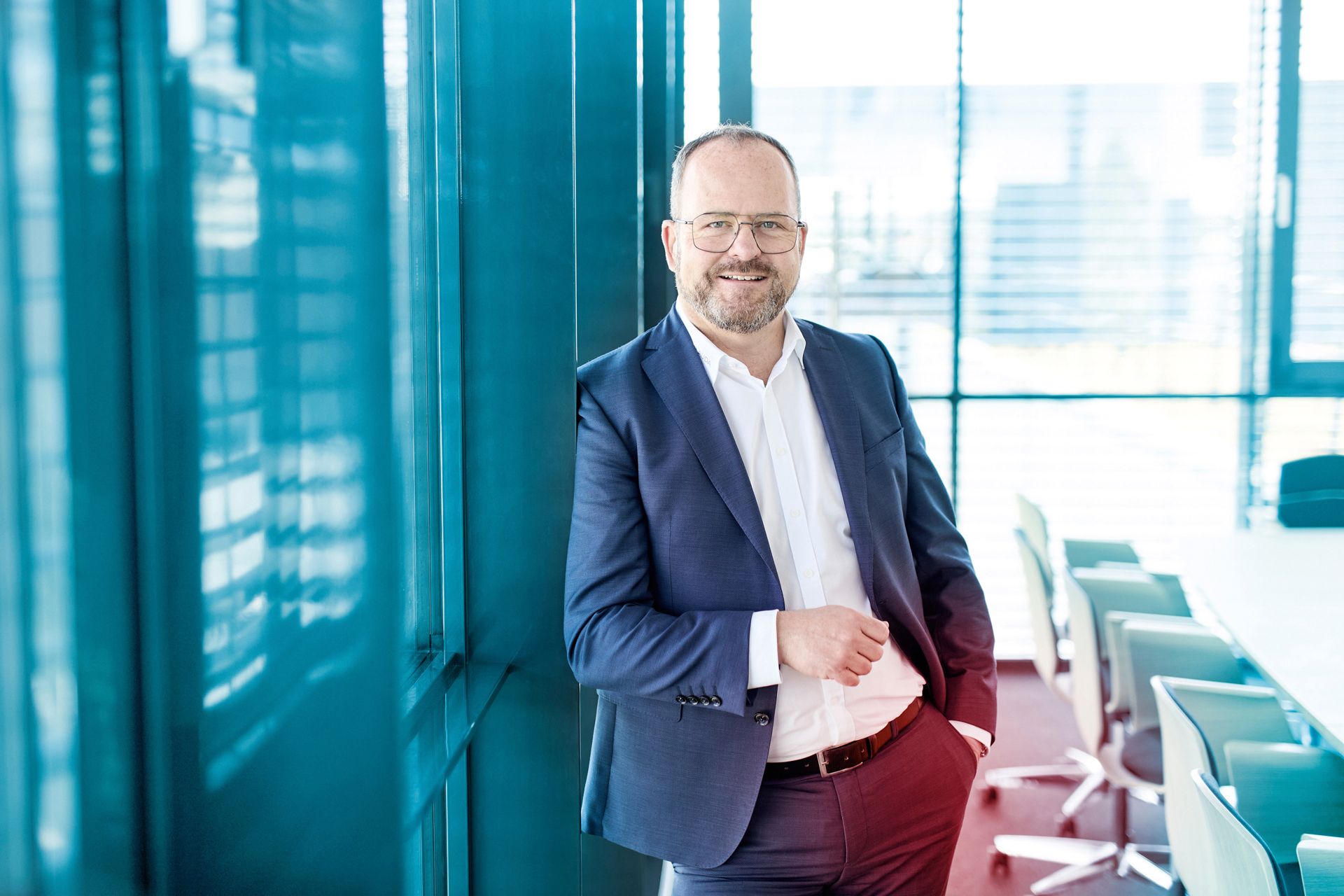
Milena Bockstahler is a research associate at Fraunhofer IAO and a member of the ‘Workspace Innovation’ team.


Ms Bockstahler, what distinguishes the office as a learning environment from other learning environments?
In the office, the focus is not on learning itself, but on work. This is precisely where its particular strength lies: learning here often takes place directly within the work process. Whilst learning in educational institutions is often planned and structured, in the office it is usually more informal and linked to specific challenges. People acquire new knowledge by solving problems together, observing others, asking questions or sharing experiences. The office as a learning environment therefore offers the opportunity to apply new knowledge directly and to learn from real-life situations. Here, learning and working are not separate activities, but are intertwined.
What makes a workspace conducive to learning?
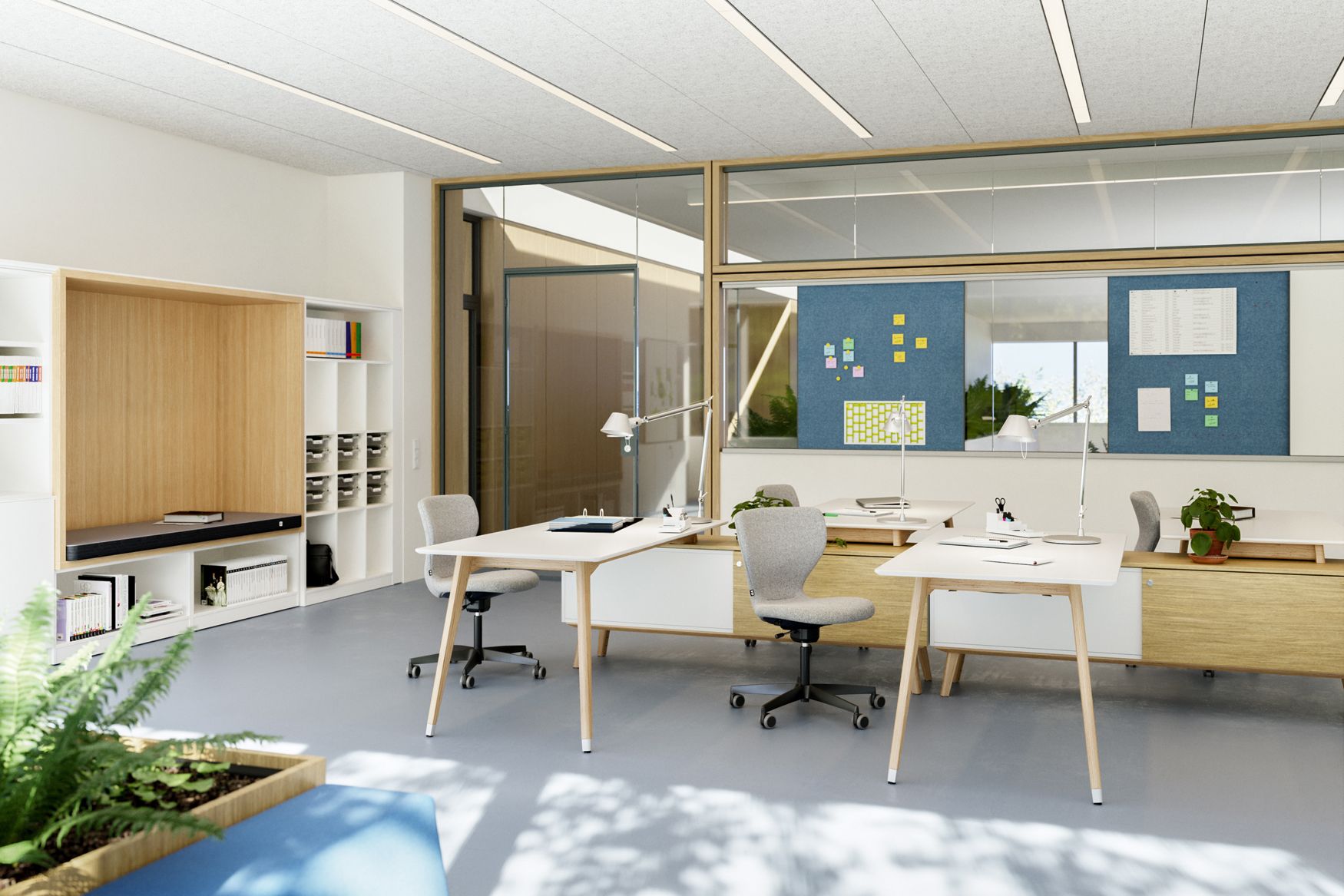
A workspace conducive to learning not only supports the completion of tasks but also the exchange of knowledge and experiences. Above all, this requires an environment that facilitates encounters, eases communication and, at the same time, offers space for concentrated working. Different zones of use are particularly important: areas for spontaneous conversations and collaboration, as well as quiet spaces for in-depth reflection and focused processing of knowledge. The key difference from an office focused purely on productivity is that the emphasis is not solely on efficiency. Work environments that promote learning also take into account how knowledge can be shared, experiences passed on and new ideas developed.
“Work environments that promote learning also take into account how knowledge can be shared, experiences passed on and new ideas developed.“
A company has a budget for just one initiative to make the working environment more conducive to learning. Which would you recommend?
In that case, I would recommend spaces for unplanned encounters and professional exchange. Many valuable learning processes do not arise in training sessions or workshops, but in day-to-day working life: through brief queries, spontaneous conversations, informal problem-solving or the exchange of different perspectives. Such situations cannot be forced, but they can be facilitated by the physical environment. Companies often underestimate the impact that well-designed meeting spaces can have on knowledge exchange, learning and innovation.
What was the most surprising finding from your research into where learning actually takes place in the office?
My research does not focus directly on learning processes, but rather on working environments, collaboration, knowledge exchange and creativity. That is precisely why one observation has surprised me time and again: the most valuable learning opportunities often do not arise in places specifically designated for learning. Instead, learning often takes place where people work together on specific tasks, discuss challenges or share experiences. In my view, this shows that learning in the office is less tied to specific rooms and more, above all, to the quality of interactions. Ultimately, learning can take place wherever exchange and joint reflection are possible.